April 10, 2026
A992 vs A36 Steel: Key Differences, Uses, and How to Choose
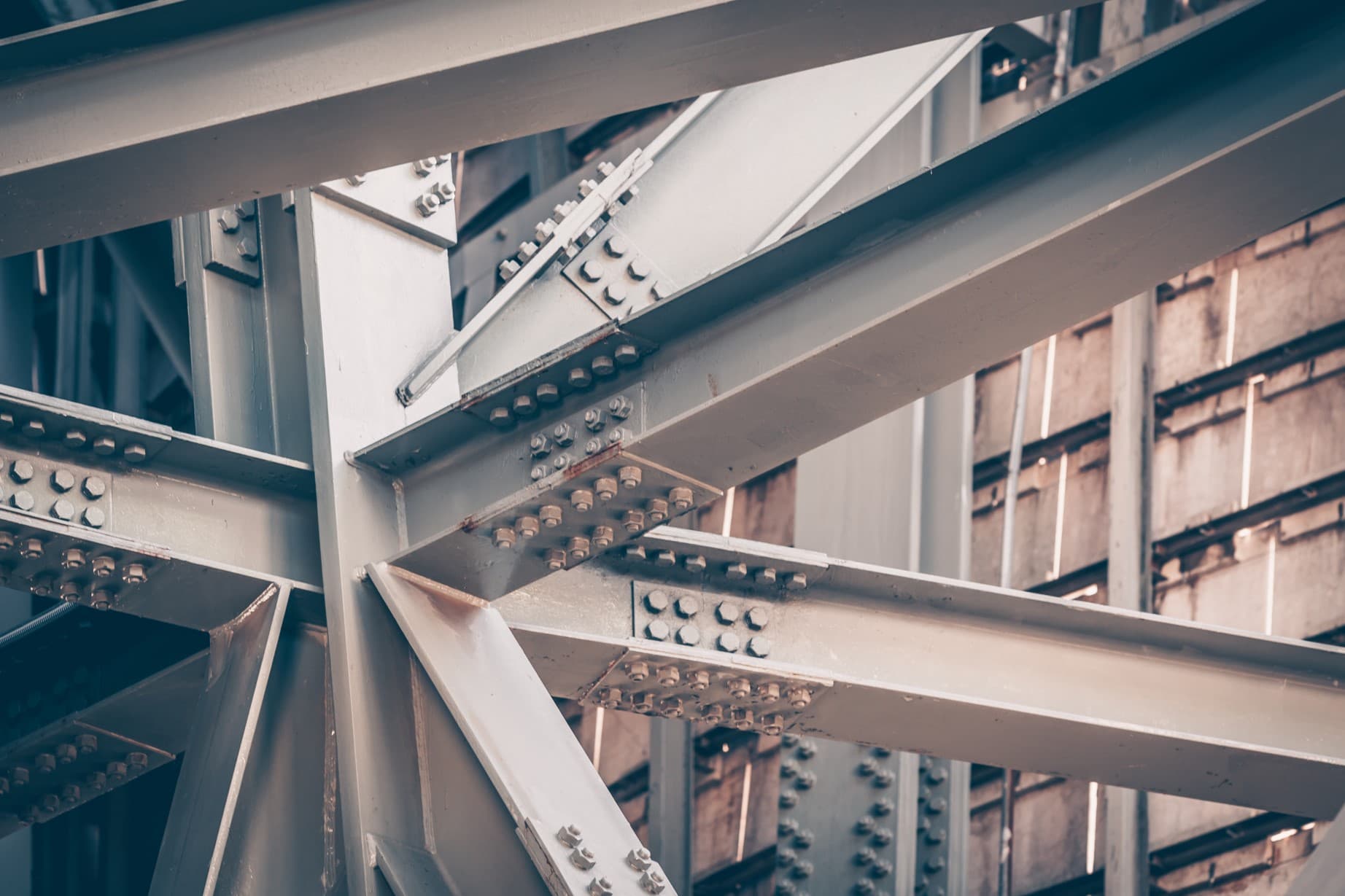
When comparing A992 vs A36 structural steel, the difference comes down to strength, application, and efficiency. A992 is the modern standard for structural beams, while A36 remains a cost-effective option for general fabrication.
If you’re specifying steel for a project, this guide breaks down everything you need to know—fast.
Quick Answer: A992 vs A36
A992 steel: Higher strength (50 ksi), optimized for beams and columns, better performance in modern construction
A36 steel: Lower strength (36 ksi), versatile, widely used for plates, angles, and general fabrication
Bottom line:
Use A992 for buildings and structural frames
Use A36 for general-purpose steel applications
What Is A36 Steel?
A36 is a carbon structural steel widely used across construction and fabrication.
A36 Key Properties
Minimum yield strength: 36 ksi (250 MPa)
Excellent weldability and machinability
Available in many forms: plates, bars, beams, and angles
Common Uses
Base plates
Structural supports
General fabrication
Bridges and light construction
Think of A36 as the “utility player” of structural steel—reliable, affordable, and widely available.
What Is A992 Steel?
A992 is a high-strength, low-alloy (HSLA) structural steel designed specifically for modern construction.
Key Properties
Minimum yield strength: 50 ksi (345 MPa)
Improved weldability and ductility control
Designed for wide-flange beams (W-shapes)
Common Uses
Building frames
Columns and beams
High-rise construction
Seismic-resistant structures
A992 is the industry standard for structural shapes, largely replacing A36 in beam applications
A992 vs A36: Side-by-Side Comparison
Feature | A36 Steel | A992 Steel |
|---|---|---|
Yield Strength | 36 ksi | 50 ksi |
Tensile Strength | 58–80 ksi | 65 ksi (min) |
Weldability | Good | Excellent |
Ductility | Moderate | High (regulated) |
CVN Toughness | Not required | Required |
Common Use | General purpose | Structural beams (W-shapes) |
Cost | Slightly lower | Slightly higher |
Key takeaway: A992 delivers ~40% higher strength, enabling lighter, more efficient designs
When to Use A992 vs A36
Choose A992 if you need:
Structural beams or columns
High load-bearing capacity
Compliance with modern building codes
Better seismic performance
This is why A992 is the default for commercial construction today.
Choose A36 if you need:
Lower material cost
Simpler fabrication
Plates, brackets, or non-critical components
A36 is ideal when strength isn’t the limiting factor.
Cost vs Performance: Which Is More Efficient?
At first glance, A36 is cheaper. But A992 often wins in total project cost.
Why?
Higher strength = less steel required
Reduced weight = lower transportation & installation costs
Fewer members = simpler design
Even though A992 costs more per ton, it can reduce overall project costs in structural applications .
Engineering Insight: Why A992 Replaced A36 in Beams
Modern building codes favor A992 because it offers:
Controlled yield-to-tensile ratio (predictable behavior)
Better ductility for seismic loads
Improved quality consistency across mills
FAQ's About A992 vs A36
Is A992 stronger than A36?
Yes. A992 has a minimum yield strength of 50 ksi vs 36 ksi for A36, making it significantly stronger.
Why is A992 used for beams?
Because it’s specifically designed for wide-flange structural shapes, offering better strength, weldability, and consistency.
Is A36 still used in construction?
Yes. A36 is still widely used for plates, angles, and general structural components where high strength isn’t required.
Which steel is more cost-effective?
A36 → lower upfront cost
A992 → better long-term efficiency
The best choice depends on whether your project is cost-driven or performance-driven.
Final Verdict
A992 = best for structural performance
A36 = best for versatility and cost control
If you’re building a structure that carries load (like beams or columns), go with A992.
If you’re fabricating components or secondary elements, A36 is often enough.
Ready to shop for A992 wide beam?